According to Tony Corbo, a columnist for
Huffington Post, U.S. food imports are rising dramatically.
"
U.S. food imports grew from $41 billion in 1998 to $78 billion in 2007. The growth has come in consumer-ready foods, such as fruit and vegetables, seafood and processed food products. It has been estimated that as much as 85% of the seafood we now consume is imported, and depending on the time of the year, upwards of 60% of the fresh produce we consume is now imported. Officials from the FDA have stated that about 15% of the average American diet is made of imported food products." Read more at
Huffington Post.
I first became aware of imported beef from Canada, but more recently seafood, fruits, and vegetables. I think this is a very dangerous proposition since most of it is untested. The volume simply prohibits it.
An online acquaintance of mine and publisher of a popular
bbq forum posted an item last week regarding his experience with canned fruit from a Midwestern grocery store. The respondents were generally apathetic about it (except for a very small minority).
Has it come to this? Does the prospect of eating dangerous and harmful imported food that is not inspected for contaminants not concern the average American?
It definitely should.Here are some of the measures we have taken to reduce the amount of imported food we eat:
1) joined a local
CSA for purchasing vegetables
2) support a local food buying club to purchase locally raised eggs, pork, beef, and bison
3) planted a backyard garden to begin growing our own squash, cauliflower, broccoli, peppers, and collard greens
4) joined a
Meet-up Group to learn more about locally grown food
5) exploring online information about farming at
Florida Farm LinkWe plan to add more as we learn about them. If you'd like to learn more about sources of local food to help avoid food imports, please visit
LocalHarvest.org

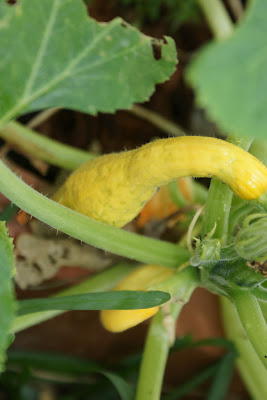


 Linda and I have started planning for this year's backyard vegetable garden. Vegetable Gardening in Florida by James Stephens is a nice reference for planning purposes. There are several charts in the back of the book that list cool weather and hot weather crops.
 Posts
Posts


